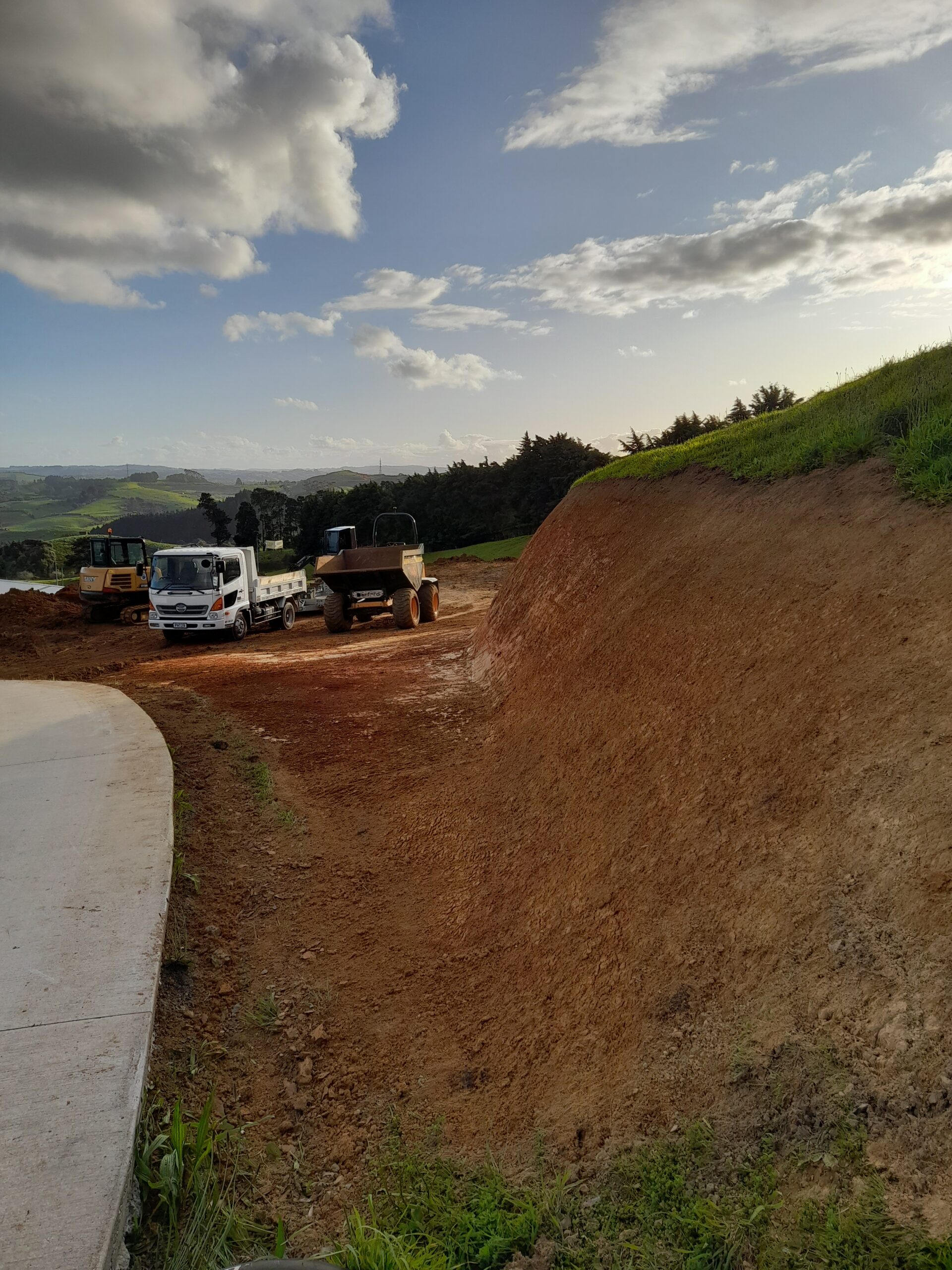
When it comes to making room in the ground for roads, buildings, or massive infrastructure projects, earthworks are where the story starts. It’s more than digging and moving soil—it’s the foundation of all that comes next. But as with any large job in civil construction, earthworks don’t come without their complications. If you’ve ever worked on a project involving earthworks in Whangarei, you’ll appreciate just how crucial it is to identify issues early—and solve them quickly. Apart from working with a trusted earthworks contractor in Whangarei, you should also have proper clarity on the major issues that could disrupt your plans. Here, we will discuss five common issues when it comes to earthworks and the best ways to manage them.
Unstable Soil Conditions
One major challenge in earthworks is dealing with soil conditions that can change unexpectedly. Clay-laden or waterlogged ground can impede progress or damage structures down the line. Always begin with a good geotechnical investigation. You can have the right equipment ready and plan with the right tools for the job if you know your soil type. Soil stabilisation techniques, such as controlled compaction or lime treatment, are employed in many civil construction projects in Whangarei to increase the ground’s dependability.
Poor Site Access and Traffic Flow
When heavy machines can’t move freely onsite, delays can stack up quite swiftly. Loads become harder to handle, and safety hazards grow. Map out how the site will be used long before the first machine shows up. Create appropriate access paths for trucks and diggers, and ensure there is space for turning and loading. Carefully thought-out site logistics can save hours every day in hectic earthworks projects in Whangarei.
Unexpected Underground Services
Hitting a buried pipe or cable is not just dangerous—it can also halt your work completely. Refer to updated utility maps and always double check with physical locating tools before breaking ground. Ground-penetrating radar and service locators are common tools in civil construction in Whangarei to avoid expensive and potentially dangerous surprises lurking underground.
Weather Interruptions
Rain could mean a muck-filled mess at an otherwise perfectly acceptable worksite. Both waterlogging and erosion interfere with safety and timing. Have a weather plan in place. Install good drainage, silt fences, and protective covers where required. It’s usually a good idea to plan any earthworks in Whangarei in advance. Scheduling bulk work outside the wet season and having some contingency built in case the weather quickly changes is always a smart idea.
Cost Blowouts from Poor Estimation
When you miscalculate the time, materials, or equipment you need, you will likely overspend your budget—and sometimes leave your clients unhappy. Invest in digital technologies and thorough pre-planning to ensure precise costs and take-offs. There are a number of typical civil construction projects in Whangarei that require contractors to make use of earthworks estimation software in order to reduce waste and maintain better control over costs.
To Sum Up
Earthworks may appear to be only the beginning, but if done correctly, it strengthens everything else. From soil to scheduling, every challenge can be effectively managed with smart planning, local know-how, and access to the right tools. It is evident to all those engaged in earthworks or civil construction in Whangarei that careful planning is necessary to lay a strong foundation before any digging is done.